
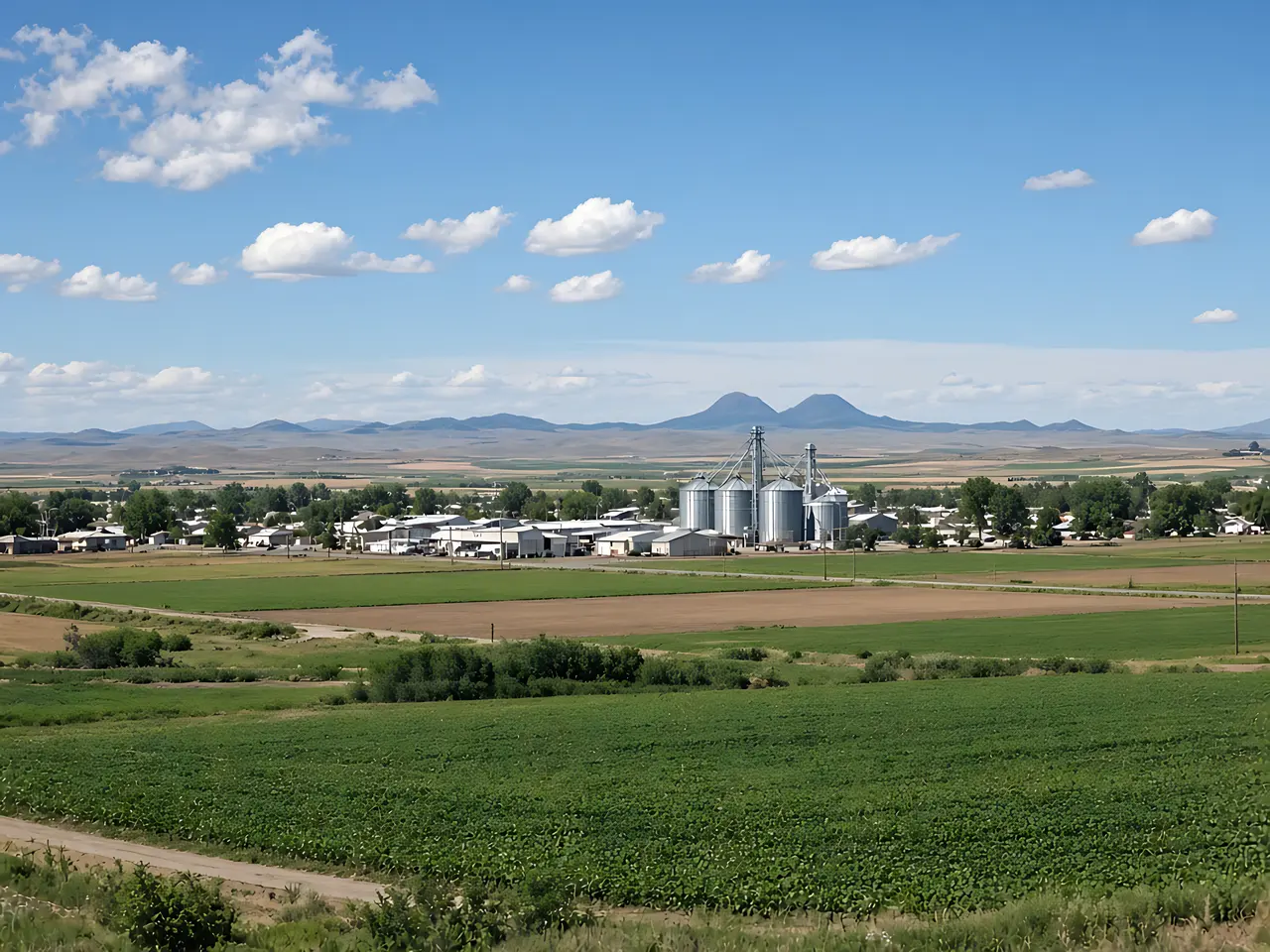
Magic Valley
Buying land and acreage near Twin Falls
Looking at vacant lots, build sites, or acreage around Twin Falls and Kimberly? You're in the right spot. Start browsing live Intermountain MLS (IMLS) land listings, then work through the water, septic, and zoning questions that come with land on the south rim of the Snake River Canyon.
Browse land: Twin Falls · Kimberly · Magic Valley · All Idaho land
Browse homes: Twin Falls · Kimberly · Magic Valley
Open a hub, zoom the map, then Save this search so new matches come to you. Still deciding whether the Magic Valley fits? Start with Moving to Twin Falls.
What kinds of land you'll see
The Twin Falls, Kimberly, and Magic Valley land hubs list vacant lots, residential build sites, acreage, recreational parcels, and farm or ranch ground — with or without structures. Every parcel has its own zoning, water rights, and access situation. Treat the listing as your starting point, then confirm with the seller, the title documents, and the local agencies.
| Hub | What you'll find | Link |
|---|---|---|
| Twin Falls land | Lots, build sites, acreage, and farm/ranch around the city | Browse Twin Falls land |
| Kimberly land | East of Twin Falls | Browse Kimberly land |
| Magic Valley land | Hagerman to Minidoka | Browse Magic Valley land |
| Twin Falls homes | Homes with land show up here too | Browse Twin Falls homes |
For a statewide how-to on searching Idaho land, see Buying land and acreage in Idaho.
Canal water: how irrigation delivery works on the Twin Falls tract
Much of the farm-edge and irrigated ground around Twin Falls is served by the Twin Falls Canal Company (TFCC). Listing remarks often mention water shares or a ditch — here's what that means in plain words.
A headgate is the valve or gate where canal company water leaves the company's system and enters a private or shared ditch. A ditch rider is the canal company staffer you call to turn your water on or off. Canal shares are stock in the canal company; shareholders pay assessments and order water through the company. A community ditch is the shared ditch past the headgate that neighboring users maintain together.
Who runs what
TFCC operates the headgates. The company's responsibility stops at the headgate; past that point, water users are responsible for community ditches (TFCC community ditches). Neighbors who share a ditch may form a small water organization to handle upkeep.
Don't assume a parcel "comes with water." Confirm the shares, where the headgate is, and who maintains the ditch past it.
Ordering water
TFCC's board sets the season's start and end dates each year based on water supply and weather, and the company says it can't guarantee uninterrupted delivery. Company staff run the headgates, and you can't pump straight from a canal or lateral. At the start of the season, TFCC asks water users to place orders with their ditch rider at least 48 hours ahead (TFCC water delivery).
Season dates change yearly. Check TFCC's notices on twinfallscanal.com rather than relying on a date you saw last year.
Shared ditches
If your parcel sits past a headgate on a community ditch, ask who else shares it, whether there's a written agreement or small water organization, and how maintenance costs are split. If you're not sure how it works on a parcel, call TFCC before you make an offer.
Water rights vs canal shares
Canal shares and a recorded water right are different things. A parcel might have one, both, or neither — ask which applies and what transfers with the sale.
- Canal shares — interests tied to a canal company (here, often TFCC). Ask for share certificates and whether assessments are current.
- Recorded water right — a right documented with the Idaho Department of Water Resources (IDWR). Search IDWR's water-right records for the parcel, and cross-check the deed and title commitment.
Water law gets technical, so verify water rights and shares for the specific parcel. For the statewide picture on wells, septic, and irrigation, see Idaho wells, septic & irrigation water.
Septic: what to check before you buy a lot
Many Twin Falls-area lots outside city sewer need an on-site septic system. South Central Public Health District (SCPHD) Environmental Health Specialists review septic applications and issue permits (SCPHD land / septic).
Before you commit to a vacant lot:
- Ask SCPHD whether the site has been evaluated, or whether you can get a speculative site evaluation: a look at the lot before you buy to see whether a septic system could work there.
- If there's an existing home, buyers or lenders can request an "as is" well and septic inspection as a condition of sale (SCPHD land / septic).
- Ask SCPHD what applies to that specific parcel, and get the answer before you commit.
Planning a new build after you buy? Pair this with New construction vs resale for timeline tradeoffs, and Home inspections and appraisals for what to check before closing.
Zoning, access, and building
Jurisdiction matters. Land inside Twin Falls city limits follows city planning and building rules (City of Twin Falls). Land in the county goes through Twin Falls County Planning & Zoning (county planning & zoning). Confirm which applies before you assume you can build.
On every parcel, verify:
- Zoning — what uses are allowed, and whether a home or shop needs a special permit
- Legal access — recorded easement or road frontage, not just a path neighbors use today
- Utilities — power, internet, and whether city water/sewer reach the lot or you're on well and septic
- Building permits — what the city or county will require for your plans
The listing is a starting point. Confirm with the county or city, the title commitment, and the utility providers.
If the lot will become your primary home, the homeowner's exemption guide covers the property-tax form you'll want after you move in.
Questions to ask on any Twin Falls-area parcel
- Is the parcel on the Twin Falls Canal Company tract?
- How many canal shares transfer with the sale, and are assessments current?
- Where is the headgate, and is there a shared community ditch past it?
- Is there a recorded water right? Check IDWR water-right records and the title commitment.
- Has South Central Public Health District evaluated the site for septic — or can you request a speculative site evaluation before you buy?
- Is the parcel under county or city zoning? What can you build?
- Is there legal access, and which utilities (power, internet, water, sewer) already reach the lot?
Write the answers down. If something isn't clear in the listing remarks, ask before you write an offer.
Where to browse
| Hub | Quick cue | Link |
|---|---|---|
| Twin Falls land | Lots, build sites, acreage, farm/ranch around the city | browseidaho.com/land/twin-falls |
| Kimberly land | East of Twin Falls | browseidaho.com/land/kimberly |
| Magic Valley land | Hagerman to Minidoka | browseidaho.com/land/magic-valley |
| Twin Falls homes | Homes with land show up here too | browseidaho.com/homes/twin-falls |
| Kimberly homes | Homes east of Twin Falls | browseidaho.com/homes/kimberly |
| Jerome · Buhl homes | Jerome across the canyon; Buhl via Highway 74 | Jerome · Buhl |
Still comparing the Magic Valley as a place to live? Moving to Twin Falls covers the relocator picture. Open a land hub, set your filters, then Save this search so new matches come to you. Want updates on a specific listing? Get listing updates.
Related guides
| Guide | Why it helps |
|---|---|
| Moving to Twin Falls | Relocator context for the Magic Valley and farm-edge / irrigation-adjacent questions |
| Buying land and acreage in Idaho | Use it to search land anywhere in Idaho with hubs, map, and filters |
| Wells, septic & irrigation water | Go deeper on wells, septic, and irrigation water anywhere in Idaho |
| Home inspections and appraisals | Know what an inspection and appraisal will and won't tell you before closing |
| New construction vs resale | Timeline tradeoffs if you'll build |
| Homeowner's exemption & property taxes | The exemption form if the lot becomes your primary home |
| Cost of living in Idaho | Budget for housing and everyday costs before you buy |
| Buy an Idaho home from out of state | Plan a purchase when you can't be here for every step |
| All guides | Every BrowseIdaho guide in one place |
FAQ
- What kinds of land are for sale near Twin Falls?
- Vacant lots, residential build sites, acreage, recreational parcels, and farm or ranch ground — with or without structures. Browse Twin Falls land, Kimberly land, and Magic Valley land. Every parcel has its own zoning, water rights, and access situation.
- How does irrigation water work on Twin Falls Canal Company land?
- Twin Falls Canal Company sets the season's start and end dates each year and runs the headgates. Water users order deliveries through their ditch rider, and the company asks for 48 hours' notice at the start of the season (TFCC water delivery). Check TFCC's notices for current season dates — they change yearly.
- Who maintains the ditch on my property?
- Twin Falls Canal Company says its responsibility stops at the headgate. Community ditches beyond the headgate are maintained by the water users who share them (TFCC community ditches). Ask who shares your ditch and whether there's a small water organization.
- Are canal shares the same as a water right?
- Not necessarily. Canal shares are interests in a canal company; a recorded water right is documented with IDWR. Ask what transfers with the parcel, check IDWR water-right records, and review the deed and title commitment.
- How do I find out if a Twin Falls lot can have a septic system?
- Contact South Central Public Health District, which reviews septic applications and issues permits in the Twin Falls area (SCPHD land / septic). Ask whether you can get a site evaluation before you commit to a lot. For an existing home, buyers or lenders can request an "as is" well and septic inspection as a condition of sale.
- Where can I browse Twin Falls and Kimberly land listings?
- Start with Twin Falls land, Kimberly land, and Magic Valley land. Homes with acreage also show up on Twin Falls homes. Open a hub, then Save this search.