Land & Acreage
Idaho land, acreage & ranch properties: how to search
You're looking for more space than a typical in-town lot — vacant land, a home on acreage, a ranchette, or a ranch-oriented place. Start browsing now, then use the checklist below when a listing gets interesting.
Browse land & acreage: Idaho land hubs · Emmett land · Payette–Weiser land · Magic Valley land · West-central land · Search land
Open a land hub, use the map, or search land listings. When water, access, or use language gets fuzzy, Talk to a local expert. No obligation; we'll match you based on where you're looking.
What vacant land, acreage, and ranch listings usually mean
MLS remarks and photos vary by listing. Read what is written for this parcel — then verify with documents and people who know the ground.
| What you're seeing | What it often means | Ask yourself |
|---|---|---|
| Vacant land | Lot or acreage without a primary residence (or with a shell / outbuildings only) | Are utilities to the site? Well / septic feasible? Buildable under zoning? Legal access and road maintenance? What financing path fits vacant land? |
| Home on acreage | House plus a larger lot — common at valley edges and rural towns | What's usable vs steep, wet, or fenced off? Outbuildings included? How is water delivered? What commute are you actually planning? |
| Ranchette / small acreage with house | Hobby-scale acreage; remarks may mention fences, barns, or pastures | True agricultural use vs lifestyle? Any CC&Rs? What sits next door? |
| Irrigated vs dry | Remarks may note irrigation shares, canals, pivots, or dryland | Verify rights or shares with documents, Idaho water rights (IDWR), and the irrigation district — don't assume delivery from a photo |
| Horse property | Stalls, arena, or pasture language in remarks and photos | Zoning for animals? Water for stock? Fencing condition? |
| Working ranch language | Large acreage plus agricultural vocabulary in remarks | Confirm permitted use, water, and what actually conveys — with title, counsel, and a local expert |
Match the listing to how you'll actually use the land.
How to search land & acreage on BrowseIdaho
- Open a land hub
Start with a land hub for your corridor (cards below), or search Idaho land.
- Use the map and filters
Lot size / acreage, price, and map draw narrow vacant land vs homes on acreage.
- Read remarks, lot size, and photos
Vacant land, homes on acreage, and ranch-oriented listings can sit side by side — the details tell you which is which.
- Save this search / Get listing updates
New acreage matches can find you while you compare areas.
- Ask when the language is unclear
When filters get ambiguous, or a listing's water / access language is unclear, Talk to a local expert.
Where to browse for acreage
These are places where land and acreage inventory often shows up. Pick the corridor that fits your daily life, then browse what's live.
Emmett / Gem County edge
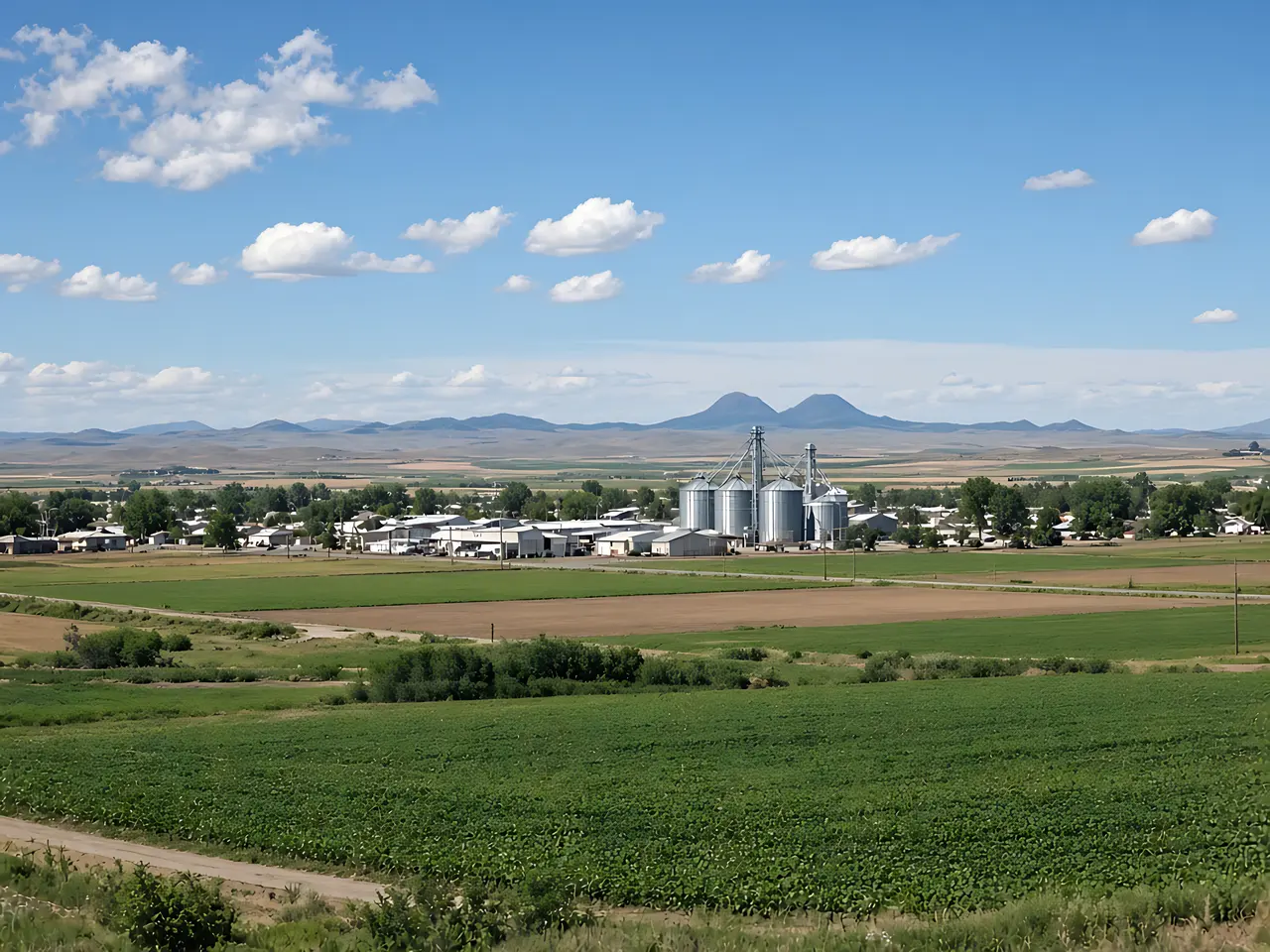
North of the core Treasure Valley. Emmett's mix often includes in-town lots plus acreage on the benches and in the Emmett Valley — land shows up more often here than in Boise or Meridian.
Browse: Emmett land · Emmett homes · Treasure Valley
Payette & Weiser
Small cities plus surrounding acreage along Idaho's western edge.
Browse: Payette–Weiser land · Payette land · Weiser land · Payette homes · Weiser homes
Canyon / west-valley edge
Caldwell, Middleton, and Nampa edges — growth corridors where larger lots and farm-edge inventory often sit alongside subdivisions.
Browse: Caldwell · Middleton · Nampa · Treasure Valley
Magic Valley
Twin Falls plus the broader Snake River / irrigation corridor. Acreage and farm-edge inventory appear alongside in-town stock.
Browse: Magic Valley land · Twin Falls land · Twin Falls homes · Magic Valley homes
Region depth: Moving to Twin Falls & the Magic Valley.
West-central / Highway 55
Cascade, McCall, and cabin-land oriented pockets (including Garden Valley on the west-central conversation) — more timber, river, and recreation-adjacent land than in-town Treasure Valley lots.
Browse: West-central land · Garden Valley land · West-central homes · Cascade · McCall
Lake / second-home depth: McCall & Payette Lake homes.
Treasure Valley core cities (contrast)
Boise, Meridian, Eagle, Kuna, and Star lean toward in-town and subdivision stock. Acreage more often appears at the edges than in the core grid.
Browse: Boise · Meridian · Eagle · Kuna · Star · Treasure Valley
City-fit depth: Treasure Valley cities.
Also on the map
Mountain Home and Lewiston–Moscow sit on coverage edges. Open them if those corridors are on your shortlist.
Diligence checklist — water, septic, access, zoning
Work these questions for the specific parcel. Point answers to title, counsel, county or health-district offices, and a local expert.
Water
- Is there a documented water right, irrigation share / allotment, well, or municipal connection — and who holds the paperwork?
- Do listing remarks mention canals, pivots, shares, or dryland? Treat those as prompts to verify, not as delivery promises.
- Will you confirm records with title, Idaho water rights (IDWR), and the relevant irrigation district?
Septic / sewer
- Is the property on sewer or septic (or neither yet, for vacant land)?
- If septic: what permits, site evaluation, or system records exist?
- For statewide onsite-wastewater basics, start with Idaho septic guidance (IDEQ). Property-specific questions usually go to the public health district for that county. For wells, septic, and subdivision irrigation, see Wells, septic & irrigation water.
Access & easements
- Is road access deeded, easement-based, or informal?
- Who maintains the road in winter?
- Are there shared driveways, gate agreements, or recorded easements that affect daily use?
Zoning, Ag, and easements
- What zoning and permitted uses apply to this parcel (county or city planning & zoning for the address)?
- Is an agricultural exemption, conservation easement, or set of CC&Rs mentioned in the listing packet?
- Do neighboring uses (farm, residential, commercial, public land) match how you plan to live?
Public land adjacency
- Does the listing imply BLM / USFS access from the parcel?
- Is access deeded, permitted, or assumed? Don't treat a photo of open country as deeded recreation access.
Site risk
- Flood, wildfire exposure, driveway grade, and winter access — what will you verify with maps, insurers, and an on-site visit?
Questions about an acreage listing, water, or access? Talk to a local expert. No obligation; we'll match you based on where you're looking.
Financing questions for acreage
Land-only purchases and some large-acreage purchases often use different loan products and down-payment expectations than a standard home purchase. Ask your lender:
- Is this parcel vacant land, a home on acreage, or something in between for underwriting?
- What loan products might fit — and what documentation will they need on water, access, and improvements?
- How do appraisal and timeline expectations differ from a typical subdivision home?
Buying from out of state? Start with How to buy an Idaho home from out of state, then Talk to a local expert for process coordination.
Touring tips for out-of-area buyers
A practical sequence (timelines vary; vacant land can add extra steps):
- Narrow a corridor
Use the regional sections above — Treasure Valley edge vs Payette–Weiser vs Magic Valley vs west-central, matched to daily life.
- Browse live hubs
Apply lot-size / type / price filters that match how you'll use the land.
- Save this search / Get listing updates
Keep comparing while new matches come in.
- Talk to a local expert
Representation, diligence document questions, and trip planning.
- Remote video or drone
Walkthroughs where available — useful to shortlist before you burn travel days.
- On-site visit
Walk access, water / septic cues, neighbors, driveway, and winter expectations for the season you'll actually use the place.
- Offer through closing
Offer → inspection / survey → title diligence → closing with your lender and title company.
Still deciding regions? Moving to Idaho · Moving to Twin Falls · Treasure Valley cities.
Buying without being on the ground is sometimes possible. Visiting finalists in person is still strongly recommended when your schedule allows — especially for vacant land and acreage where photos hide grade, access, and usable pasture.
If you already own Idaho acreage (or are selling)
Need a comps-based conversation for an Idaho address you already own?
- What is your Idaho home worth? — a local expert reviews recent IMLS sales and sends a range, not an automated estimate.
- Method depth: What is my Idaho home worth?
- Sell process: Selling your Idaho home
Acreage comps can be thinner and more mixed than subdivision homes — expect a conversation with a local expert, not an instant portal formula.
Frequently Asked Questions
- What’s the difference between vacant land, a home on acreage, and a ranchette?
- Vacant land is typically lot or acreage without a primary residence. A home on acreage pairs a house with a larger lot. A ranchette usually means hobby-scale acreage with a house — sometimes with barns or fencing language in remarks. Read each listing for what actually conveys.
- Do I need an irrigation or water right to buy Idaho acreage?
- It depends on the parcel and how you plan to use it. Some uses need documented water rights or irrigation shares; others may rely on a well or municipal service. Treat water as a diligence question — verify documents with title, Idaho water rights (IDWR) or the relevant irrigation district, and licensed counsel or a local expert.
- Can I finance vacant land the same way as a house?
- Often the products and expectations differ. Ask your lender what fits the specific parcel.
- Where do people usually browse for acreage near the Treasure Valley?
- Common geography corridors include the Emmett / Gem County edge, Payette & Weiser, Canyon / west-valley edges (Caldwell, Middleton, Nampa), and other TV-edge pockets — plus Magic Valley and west-central if those regions fit your life. Start at the Idaho land hubs or the corridor links above.
- What should I ask about septic, wells, and road access?
- Ask whether the property is on sewer or septic, what well or water documents exist, whether access is deeded or easement-based, and who maintains the road — especially in winter. For septic basics: Idaho septic guidance (IDEQ); property-specific permitting often runs through the local public health district.
- What is Intermountain MLS (IMLS)?
- IMLS is the listing service Idaho brokerages use across much of the state. BrowseIdaho shows those active listings for personal search. Information is deemed reliable but not guaranteed.
- Can out-of-state buyers tour Idaho acreage remotely first?
- Often yes — a local expert can coordinate video or drone walkthroughs so you can shortlist before you travel. Buying remotely is sometimes possible; an on-site visit remains strongly recommended for acreage and vacant land when you can. See Buy an Idaho home from out of state.
- Is horse property a special listing category?
- “Horse property” is language you may see in remarks and photos (stalls, arena, pasture). Verify permitted use, fencing, and water for stock with documents and a local expert.
- Can BrowseIdaho help me value acreage I already own in Idaho?
- Yes for Idaho addresses. Use the homepage value module / Idaho home worth guide. A local expert reviews recent IMLS comps and sends a range — not an AVM and not a formal appraisal. Acreage comps may be thin; expect a conversation.
- How do irrigated and dry land listings differ?
- Remarks may note irrigation shares, canals, pivots, or dryland. Those are prompts to verify — not delivery promises. Confirm rights or shares with documents, Idaho water rights (IDWR), and the irrigation district for that parcel.
- What should I verify before I write an offer on vacant land?
- Utilities to the site, well / septic feasibility, zoning and buildability, legal access and road maintenance, water documentation, and a financing path that fits vacant land. Walk the parcel when you can, and Talk to a local expert when remarks leave gaps.
Related Guides
- Moving to Idaho — relocator hub before you pick land vs in-town
- Idaho cost of living by city — cost research method across Idaho cities
- Buy an Idaho home from out of state — remote buy process and trip planning
- Treasure Valley cities — TV city tradeoffs (in-town vs edge)
- McCall & Payette Lake homes — west-central / lake second-home depth
- New construction vs resale — build-vs-existing tradeoffs when you're still deciding product type
- Moving to Twin Falls — Magic Valley relocator guide
- What is my Idaho home worth? — owners / sellers of Idaho acreage
- Selling your Idaho home — list and disclosure steps
- Moving from California to Idaho — origin-corridor lifestyle expectations
- How to read the Idaho housing market — status, list price, and days on market on live listings
- All guides