
Relocator Guide
Moving to Idaho: Treasure Valley Relocator Guide
Help for out-of-state relocators understanding the Treasure Valley, picking a city corridor, and navigating the remote-buying process.
What Is the Treasure Valley?
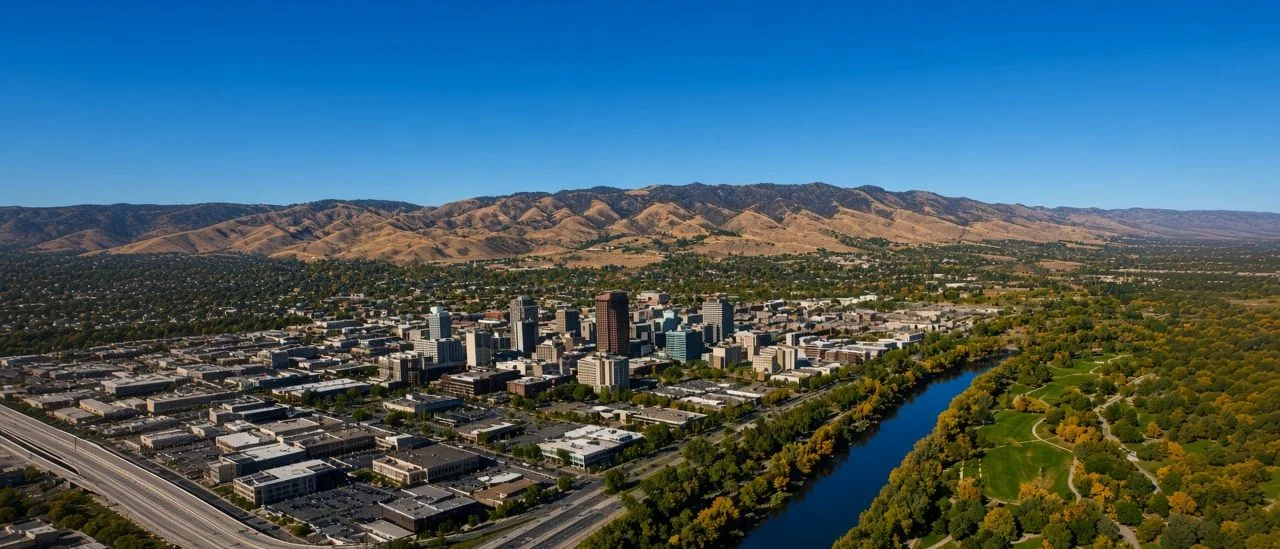
The Treasure Valley is Southwest Idaho's primary population center, anchored by Ada and Canyon counties. Anchored by the Boise River, this high-desert metro valley spans urban districts, suburban master-planned developments, historic downtowns, and agricultural communities framed by the Boise Foothills and the Owyhee Mountains.
For a regional overview and current listings, see the Treasure Valley homes hub.
Key Questions Before Choosing a City Corridor
Before focusing on specific property listings, narrow your search by evaluating these fundamental factors:
- Daily Travel Routes
- Are you commuting to downtown Boise, working remotely, or traveling toward industrial/commercial hubs in Meridian or Nampa? Traffic patterns move heavily along Interstate 84 and Highway 55 during peak hours.
- Lot Size & Setting
- Do you prefer a low-maintenance patio home, a standard suburban lot with community amenities, or acreage suited for outbuildings and animals?
- Access to Amenities vs. Space
- Closer-in locations offer proximity to major hospital systems, Boise Airport (BOI), and cultural venues, while outer corridors offer larger land parcels and rural settings.
- Property Age & Architecture
- Choices range from historic brick homes and mid-century neighborhoods to late-1990s suburban builds and brand-new construction communities.
Treasure Valley City Chooser
Explore current real estate inventory across the valley's primary corridors:

Browse Boise Homes
Idaho's capital city; features established historic neighborhoods like the North End, bench districts, master-planned foothill developments, and active downtown condo living.
Browse Meridian Homes
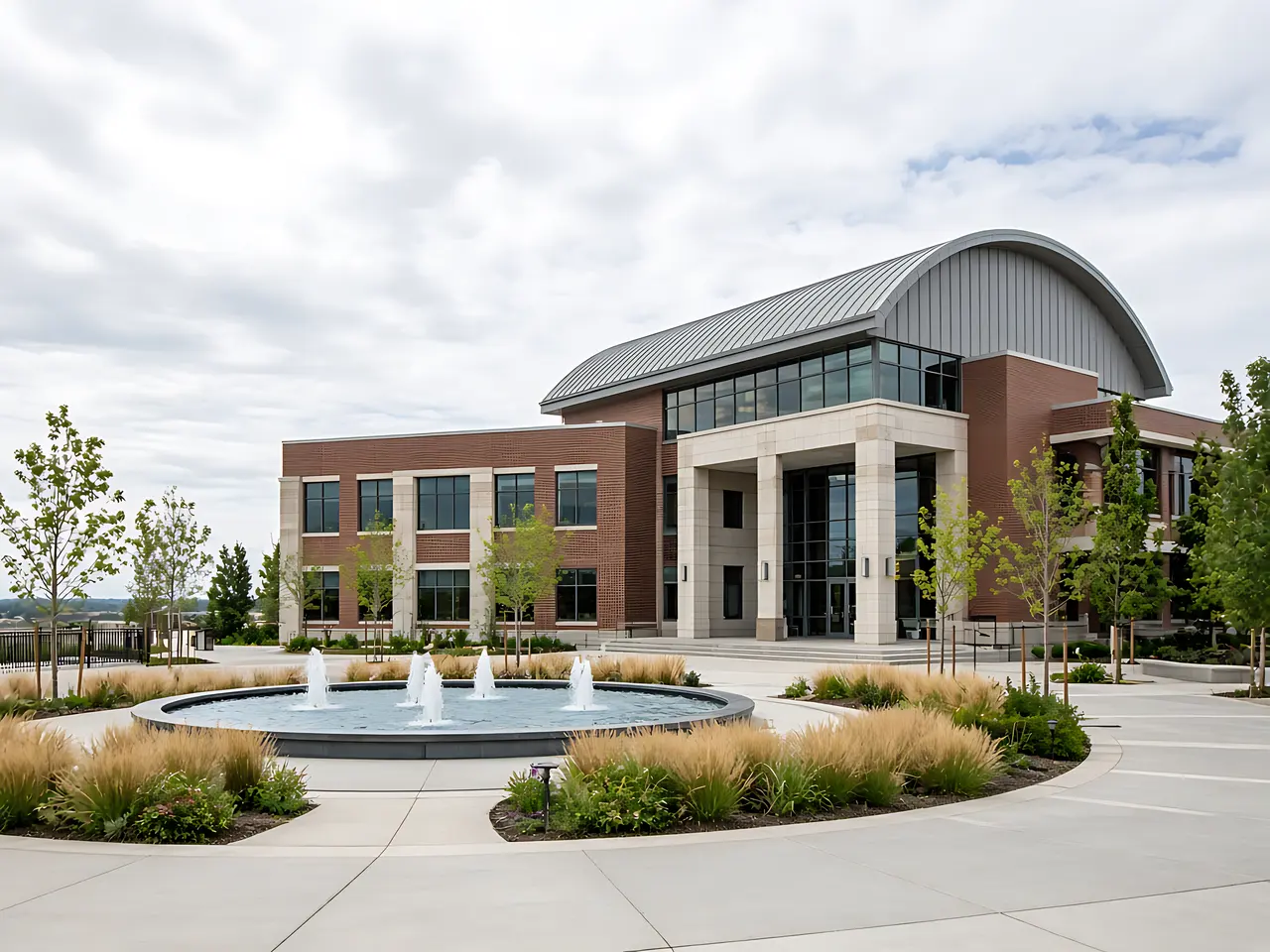
Central valley location known for extensive suburban development, master-planned communities, regional retail hubs like The Village, and healthcare facilities.
Browse Eagle Homes
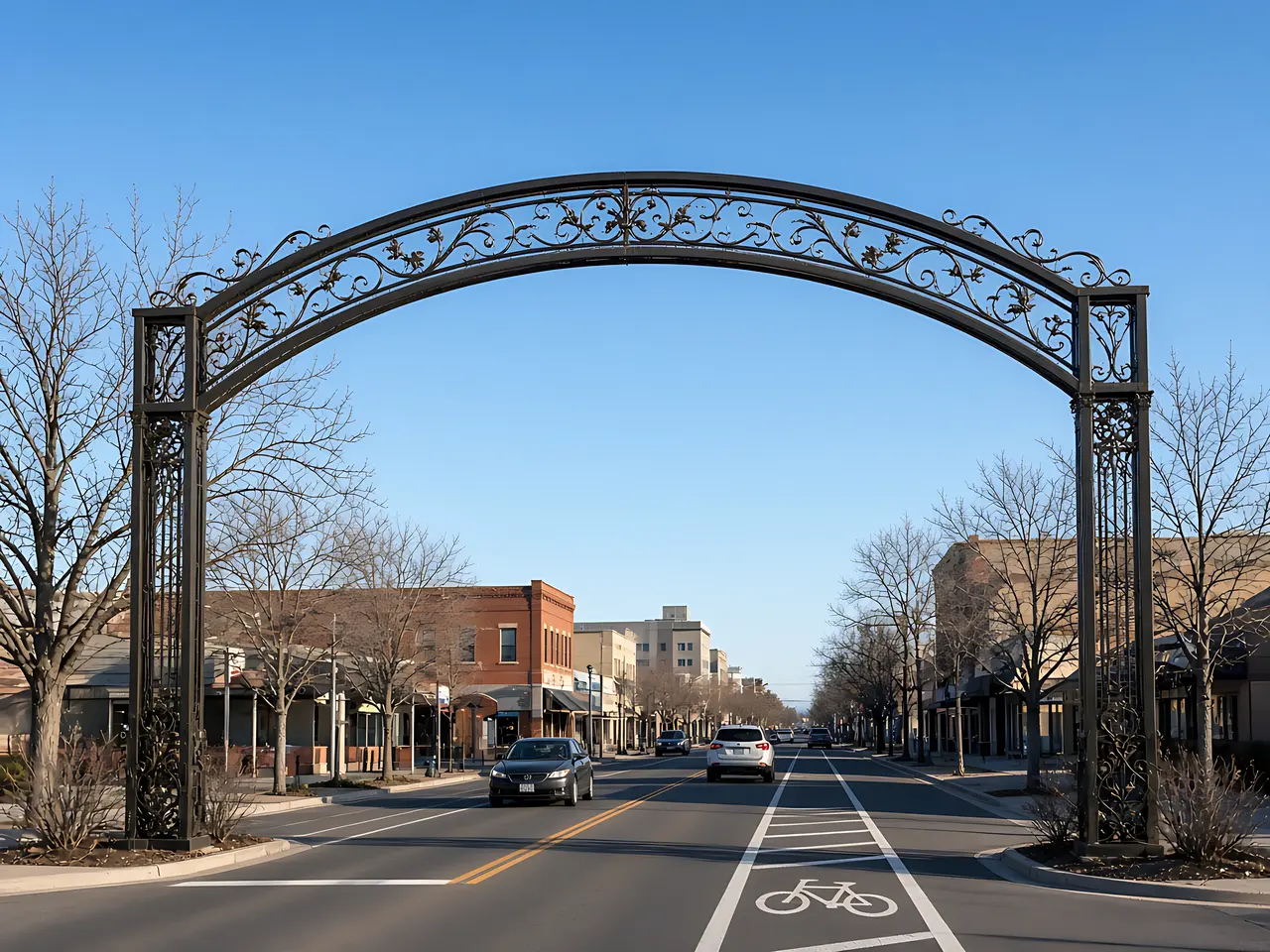
Situated along the Boise River north of I-84; offers estate-style properties, gated communities, equestrian parcels, and foothills access.
Browse Nampa Homes
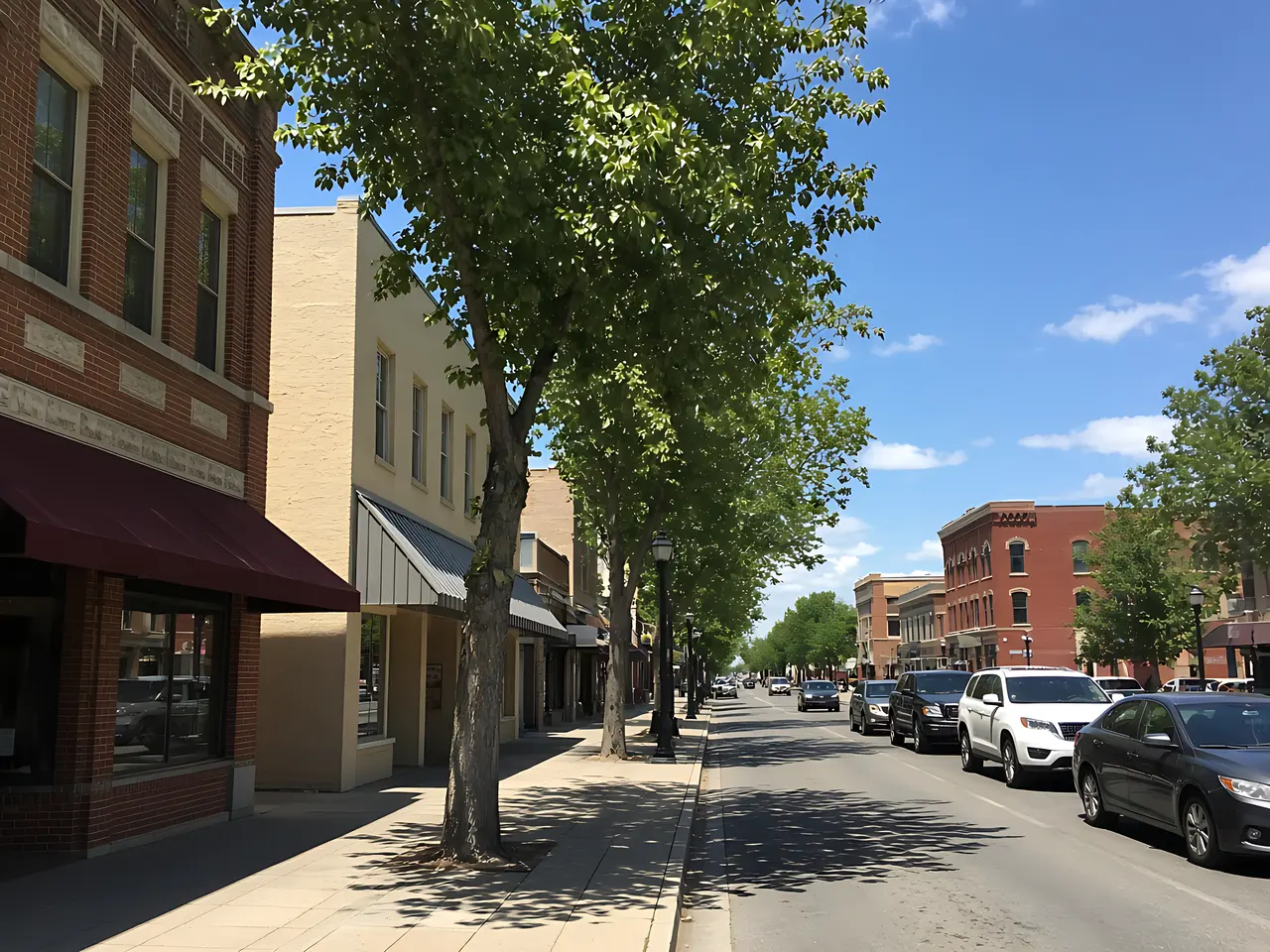
Canyon County's largest city; features historic downtown districts, newer suburban subdivisions, agricultural acreages, and proximity to Lake Lowell.
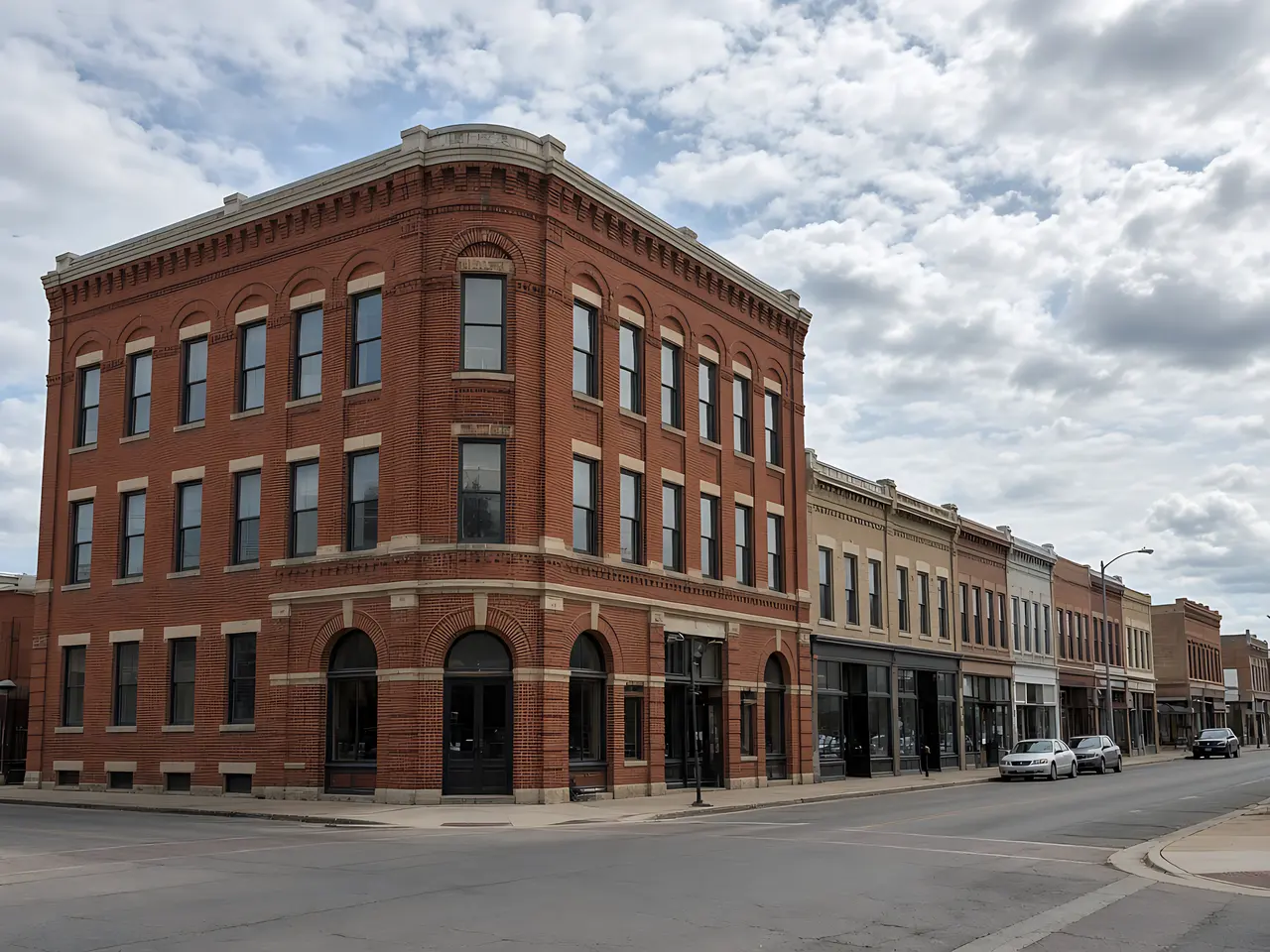
Browse Caldwell Homes
Located in western Canyon County; centered around the revived Indian Creek Plaza, historic college areas, custom home developments, and nearby Sunnyslope wine country.
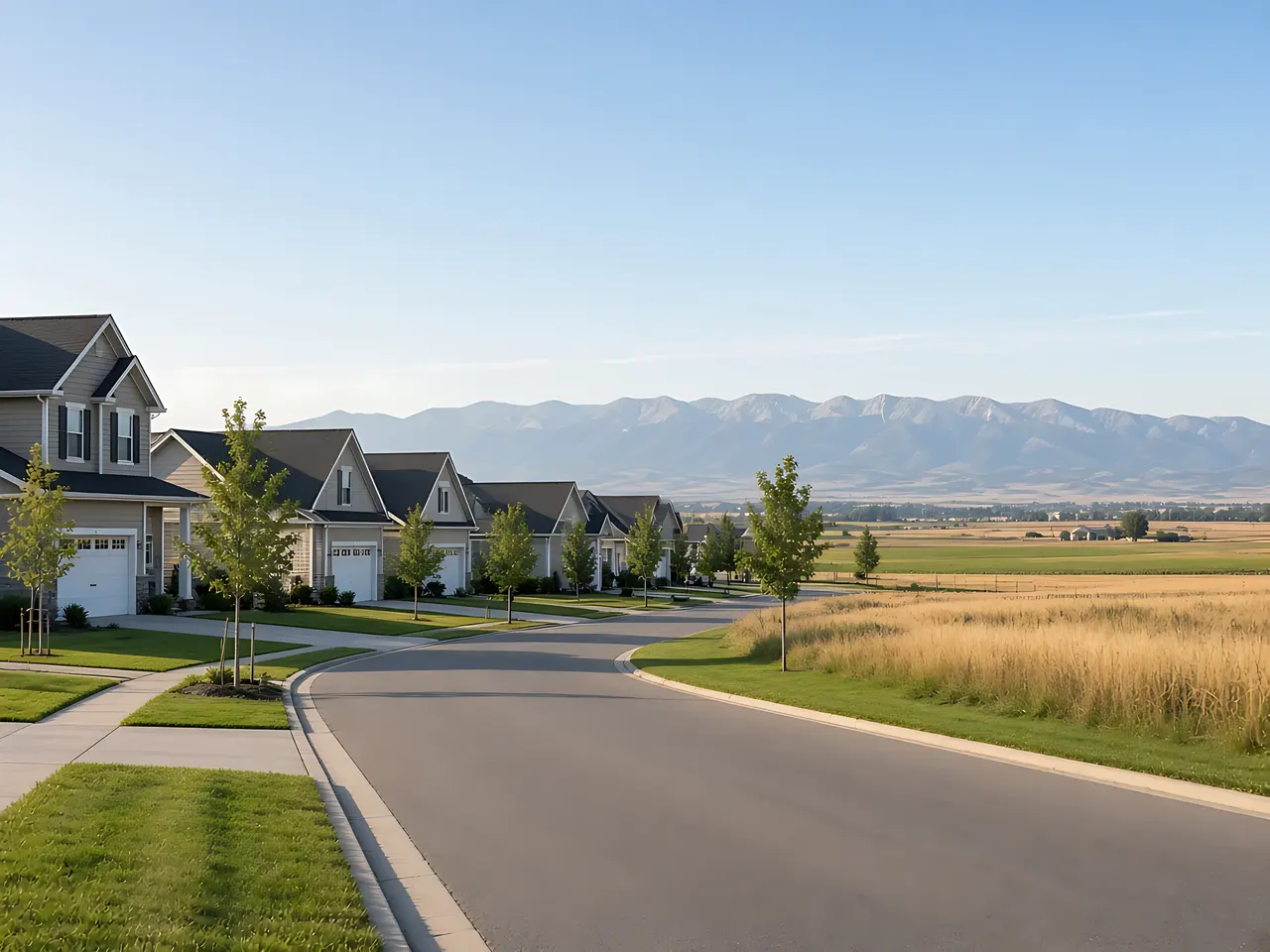
Browse Star Homes
Positioned along the State Street (Highway 44) corridor between Eagle and Middleton; offers small-town settings with rapid residential development and riverfront parcels.
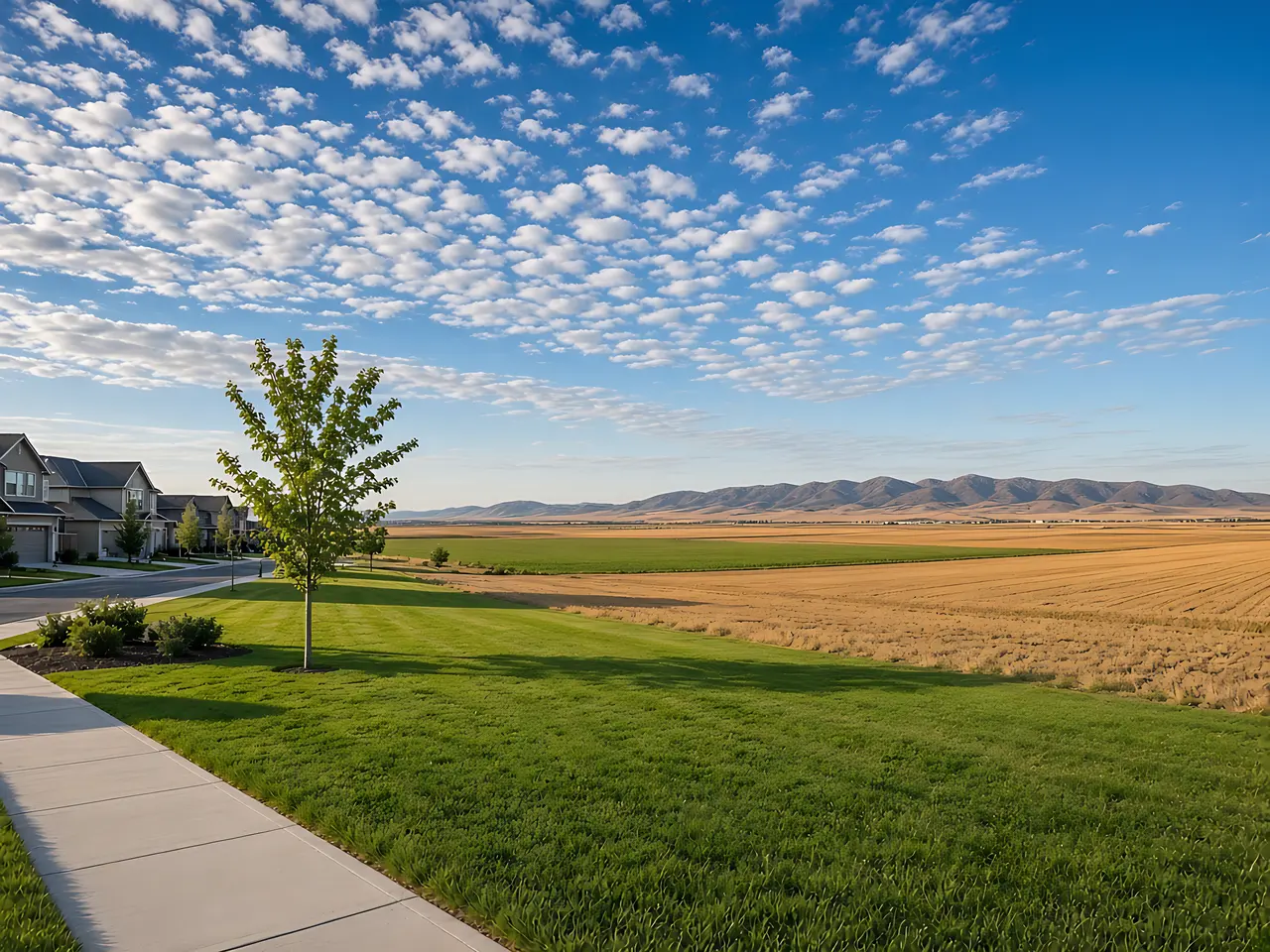
Browse Kuna Homes
Located south of Meridian; features suburban planned developments, rural acreages, and direct access to southern high-desert recreation.
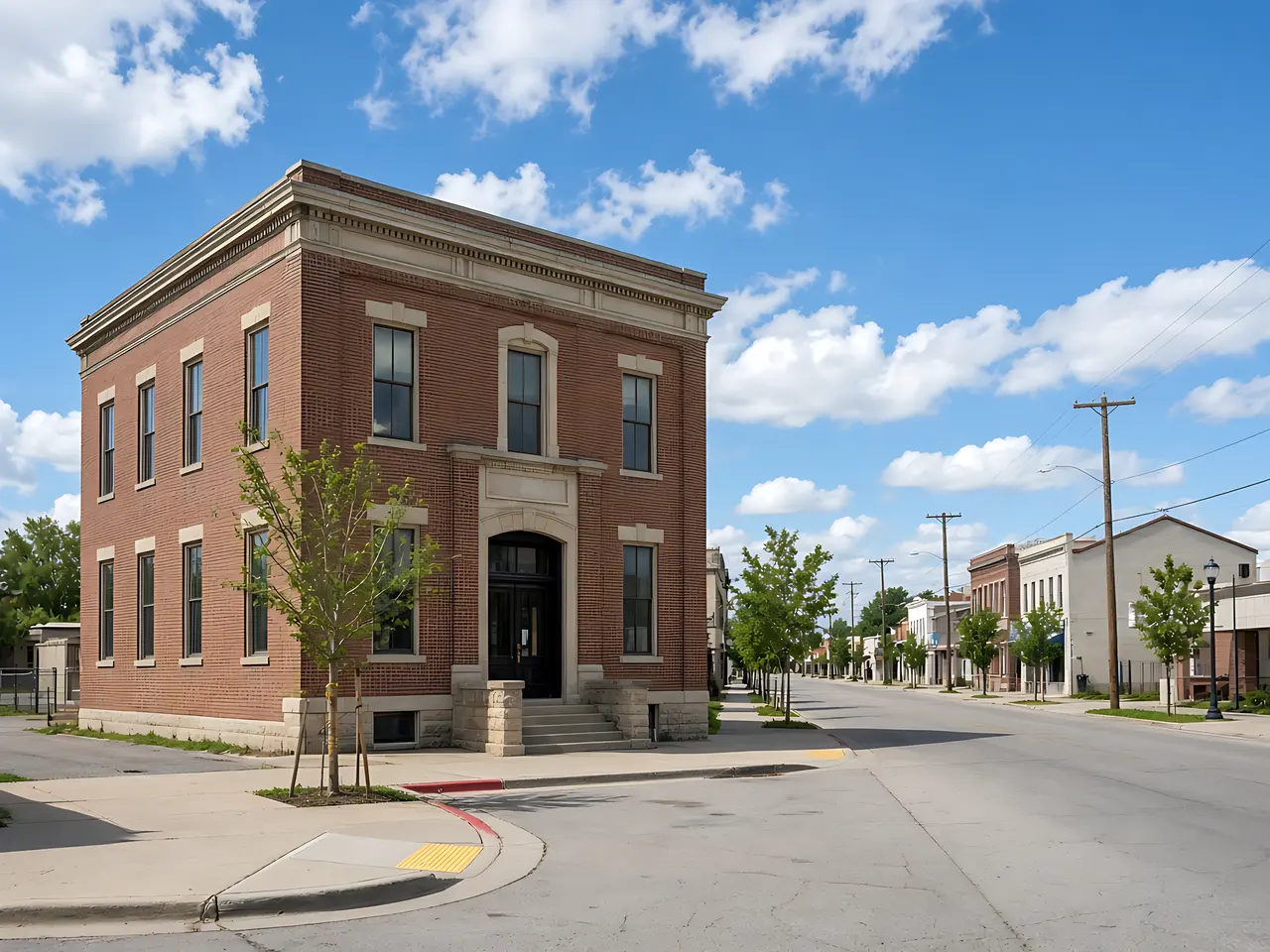
Browse Middleton Homes
Northern Canyon County hub offering semi-rural single-family residential developments, custom builds on larger lots, and open space.
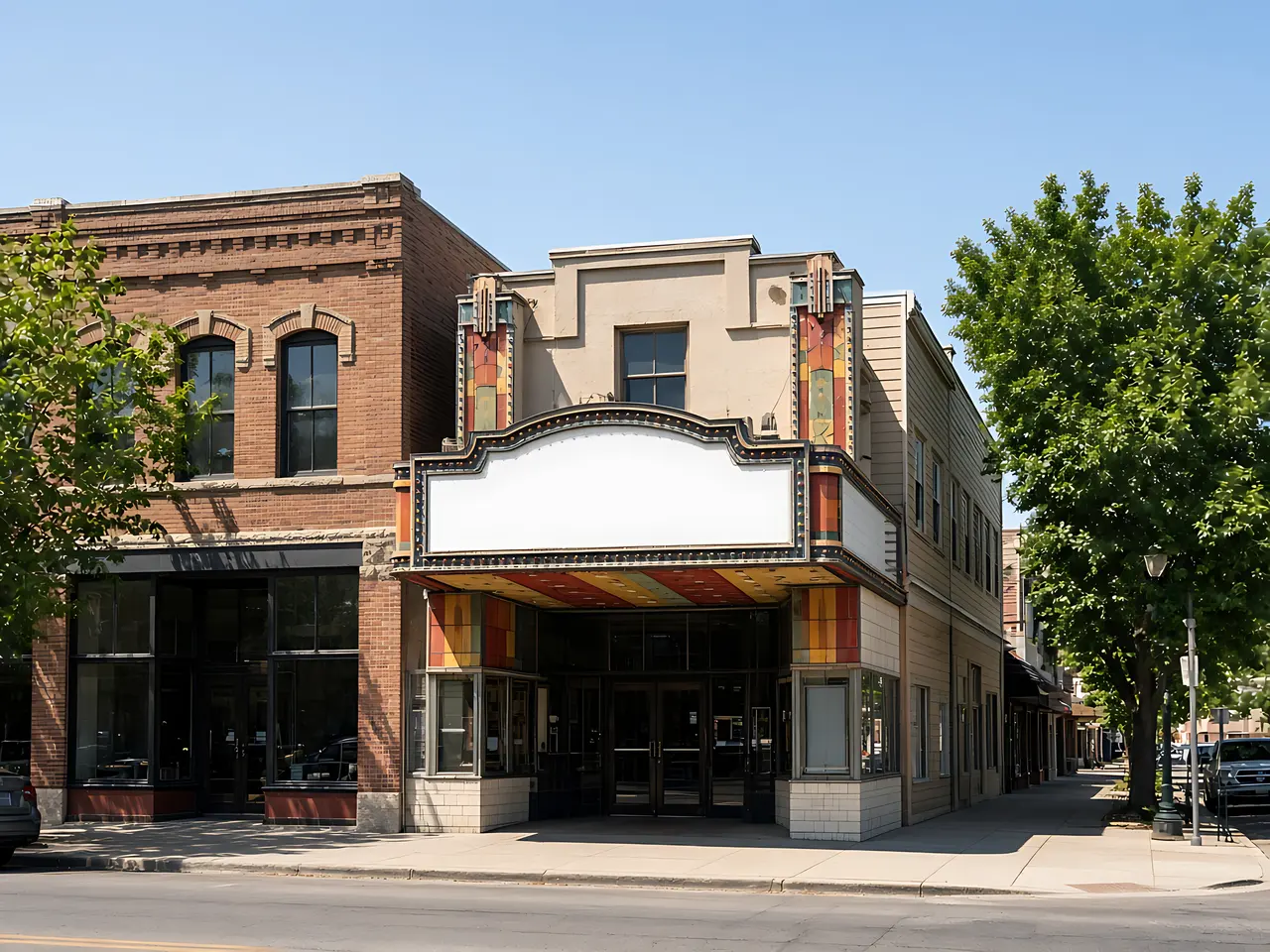
Browse Emmett Homes
Situated north over Freezeout Hill in Gem County; focused on agricultural properties, fruit orchards, river valley homes, and small-town living.
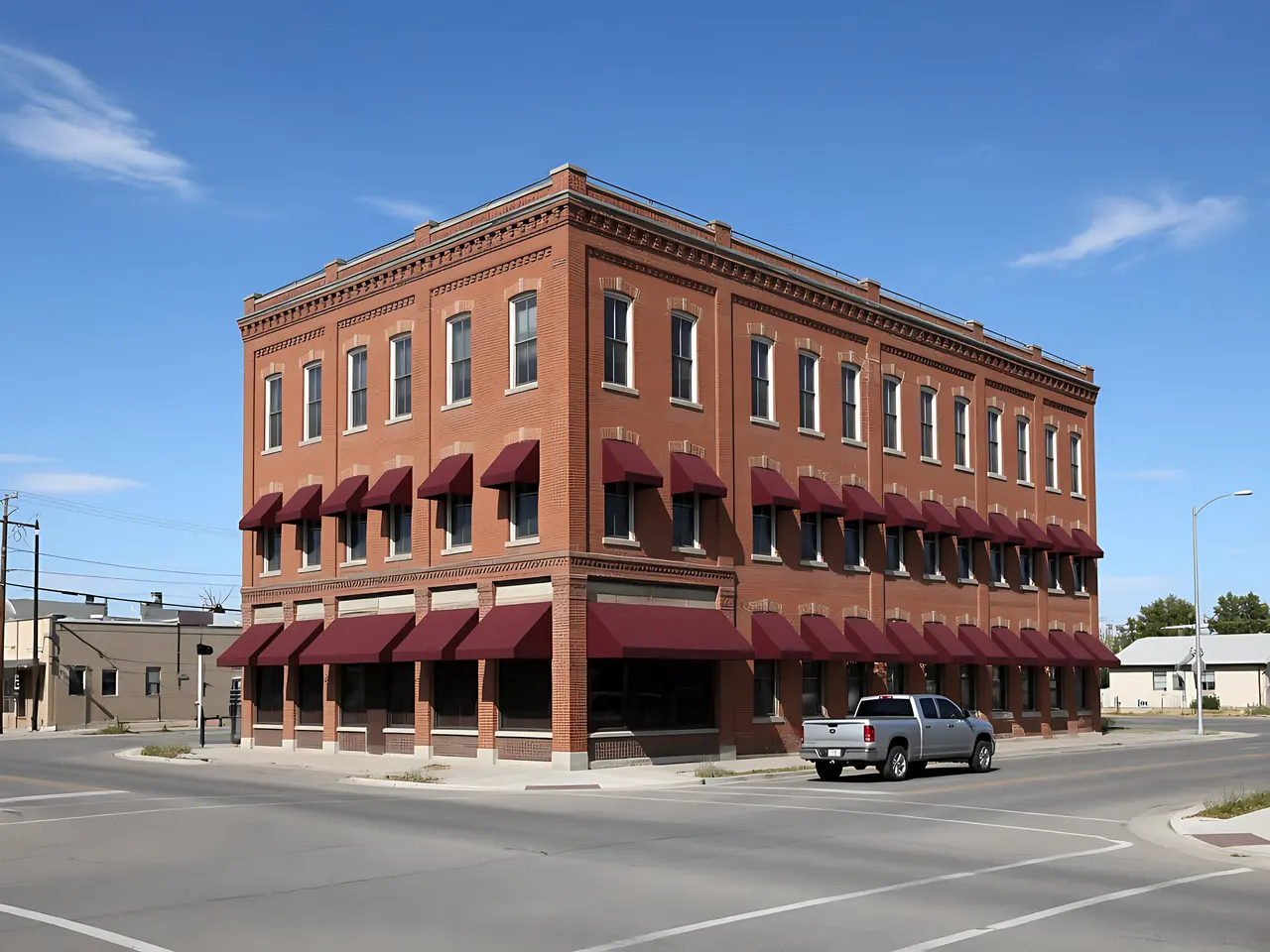
Browse Mountain Home Homes
Located southeast in Elmore County near Mountain Home Air Force Base; offers desert plateau land and residential subdivisions with various inventory types.
Housing Mix & Commute Dynamics
Housing inventory across Southwest Idaho varies significantly by sub-market:
Infill & Historic Properties
Concentrated in Boise, downtown Nampa, and downtown Caldwell. Feature mature landscaping, distinct architecture, and established streetscapes.
Master-Planned Communities
Predominant throughout Meridian, Star, Kuna, and South Boise. Typically include community parks, pools, fiber optic infrastructure, and homeowners associations (HOAs).
Acreages & Custom Builds
Found primarily in Eagle, Middleton, Emmett, and rural Canyon/Ada county pockets.
Commute Dynamics
Commutes across the Treasure Valley depend on east-west arterial access. Interstate 84 serves as the central trunk line linking Caldwell, Nampa, Meridian, and Boise. Secondary routes—such as Highway 44 (State Street), Highway 20/26 (Chinden Boulevard), and Eagle Road (Highway 55)—handle significant local traffic during peak morning and evening travel periods. Traveling during non-peak hours or utilizing alternative arterial routes noticeably alters drive times across county lines.
Cost of Living Considerations
When evaluating a move to Idaho, review verifiable economic factors through official state sources:
State Income Tax
Idaho currently uses a flat individual income tax rate on taxable income above a filing threshold. Confirm the current rate and thresholds with the Idaho State Tax Commission.
Property Taxes
Idaho property taxes are assessed locally at the county level (Ada, Canyon, Gem, Elmore). Owner-occupied primary residences may qualify for the Idaho Homeowner's Exemption, which can exempt 50% of the value of the home and up to one acre of land, subject to a dollar maximum set in statute. Apply through your county assessor, and check current amounts on the Tax Commission Homeowner's Exemption page.
Sales Tax
Idaho's statewide sales tax is 6%. Additional local-option taxes apply in some resort cities, not in standard Treasure Valley retail. Confirm current rates in the Tax Commission sales tax guide.
Utilities
Electricity (Idaho Power) and natural gas (Intermountain Gas) rates in the region benefit from regional hydroelectric and pipeline infrastructure. Verify current rates with providers directly.
Buying Real Estate From Out of State
Purchasing a home remotely requires clear coordination and reliable local tools.
- Establish Local Representation
Partner with a Treasure Valley agent. Connect with a Silvercreek Realty Group agent specializing in your target corridor to set up direct MLS updates rather than relying on delayed third-party portals.
- Conduct Remote Video Walkthroughs
Utilize live, high-definition video walkthroughs that highlight neighborhood transitions, street noise, yard boundaries, and specific home details not captured in real estate photography.
- Review Disclosures & HOAs
Examine the Idaho Seller's Property Condition Disclosure, property tax histories, title reports, and HOA covenants, conditions, and restrictions (CC&Rs).
- Coordinate Local Inspections
Hire licensed local home inspectors for structural, roof, HVAC, and sewer scope inspections. Receive digital reports with photo and video documentation.
- Complete Digital & Remote Closing
Finalize loan documents via mobile notary services or remote online notarization (RON), coordinating funds via secure wire transfer with local title companies.
Planning a visit?
Schedule a Remote or In-Person TourSelling Elsewhere While Buying in Idaho
If your move depends on equity from a home sale in another state, several transaction structures are common in the Treasure Valley market:
Contingent Purchase Offers
Submitting an offer contingent upon the successful closing of your current home.
Bridge Loans & HELOCs
Accessing current home equity to make a non-contingent offer in Idaho prior to selling.
Extended Closing / Rent-Back Agreements
Negotiating a rent-back agreement on your current property to allow time for a smooth transition and closing in Idaho.
Get an accurate market snapshot to align your sale and purchase timelines.
Talk to a local expertFrequently Asked Questions
- What is the climate like in the Treasure Valley?
- The region features a high-desert, four-season climate. Summers are warm and dry, while winters are cold with light snowfall on the valley floor. Mountain ranges to the north block many extreme arctic weather patterns.
- How does property tax assessment work in Idaho?
- Property values are assessed annually by the county assessor as of January 1st. Tax bills are distributed in late autumn and can be paid in two installments (December and June). Owner-occupied primary residences may qualify for the Idaho Homeowner's Exemption; apply with the county assessor and confirm current amounts with the Idaho State Tax Commission.
- Which airport serves the Treasure Valley?
- Boise Airport (BOI) serves as the commercial aviation hub for Southwest Idaho, offering direct and connecting flights to major national metros.
- What secondary regions surround the Treasure Valley?
- Magic Valley is located two hours southeast, centered around Twin Falls and the Snake River Canyon. West-Central Mountains are located two to three hours north along Highway 55, including Valley County (Cascade, McCall, Donnelly).
Also Covered by BrowseIdaho
BrowseIdaho also serves listings outside the Treasure Valley:
- Magic Valley — Two hours southeast, centered around Twin Falls and the Snake River Canyon.
- West-Central Mountains (McCall–Cascade) — Two to three hours north along Highway 55, including Valley County.
- Mountain Home Air Force Base area — Served via the Mountain Home hub.
- Idaho land & acreage — vacant land, acreage, and ranch-oriented listings when a subdivision lot is not the plan.
- Moving to Lewiston & Moscow — Palouse corridor when the Treasure Valley is not the pull.
- Moving to Idaho Falls & Pocatello — East Idaho along I-15, when the Treasure Valley is not the plan.
- Snowbird & seasonal homes — winter living questions for a second home or a place left empty part of the year.