
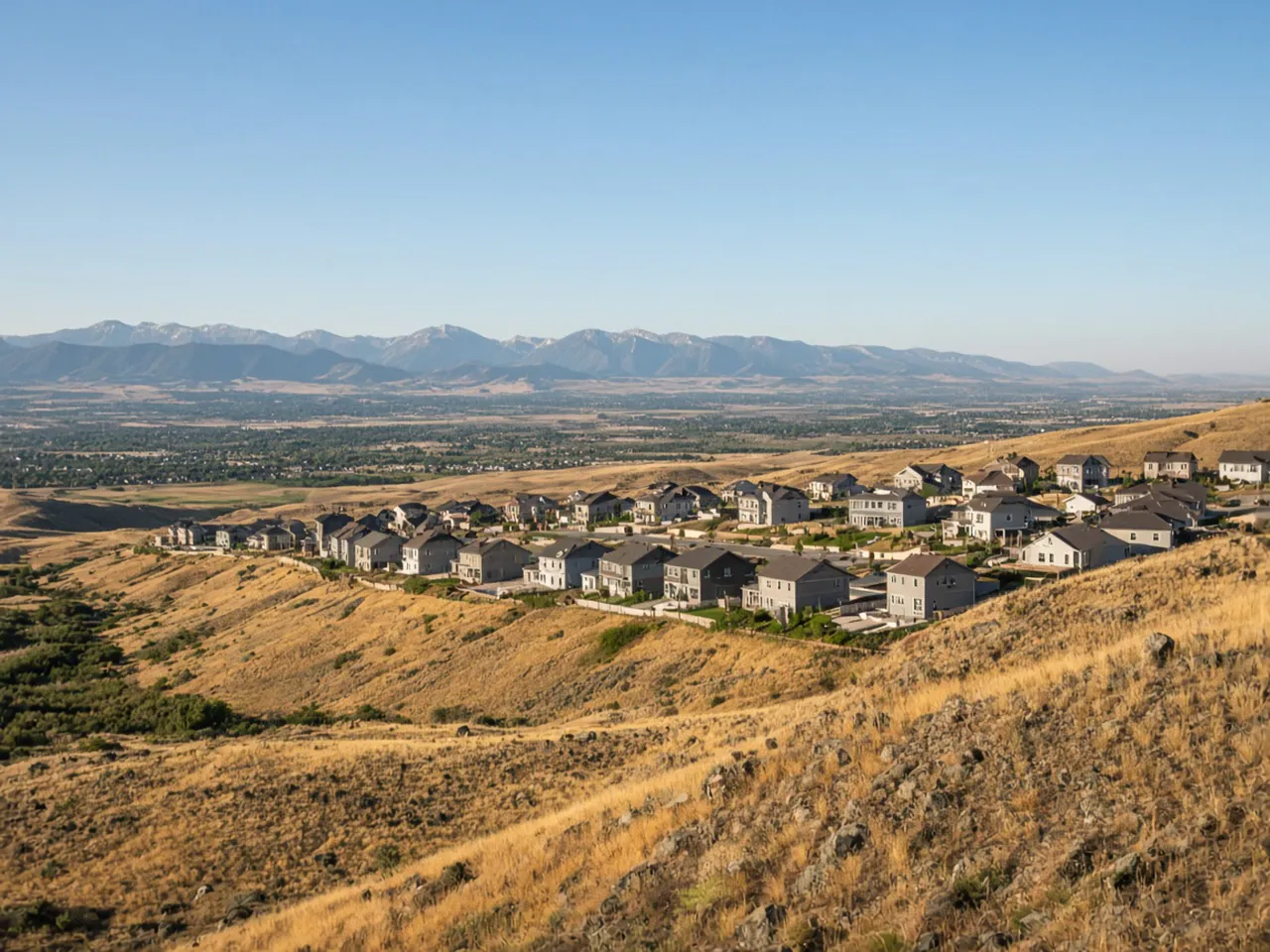
Home value
What affects your Idaho home’s value (and what usually doesn’t)
Thinking about updates before you sell — or wondering why two similar listings sit at different prices? There’s no honest universal formula that turns a project into a fixed dollar bump.
What’s my Idaho home worth? already says that clearly. What comps and many lender appraisals actually weigh is more useful: where the home sits relative to recent nearby sales, how size is counted, condition and quality, and whether major work was permitted and documented.
Comps are recent nearby sales of homes like yours — similar beds, baths, size, lot, year built, and style. A local expert builds a range from those sales, not from an automated estimate.
Selling? Get a local value first, then talk to a local expert about which updates would matter for your comps. No obligation.
Buying too? Browse homes: Treasure Valley · Boise · Meridian · Nampa · Eagle · All markets
The big factors you can’t easily change
In a typical comps conversation, a local expert starts with the pool of homes that buyers and appraisers can honestly compare to yours. That pool is shaped by things you usually can’t remodel overnight:
- Location relative to comparable sales — not a ranking of neighborhoods, just which recent sales sit close enough in place and product type to matter
- Lot size and shape
- Above-grade size, bedroom and bathroom count
- Year built and overall style
- Active competition — what else a buyer could choose right now
- Timing — how soon you need to sell, and whether the market around your home is moving quickly or slowly
Those factors set the lane. Finishes and projects live inside that lane. Micro-markets differ across the Treasure Valley, Magic Valley, and other Idaho coverage areas — an older Boise street and a new Meridian subdivision don’t share the same comp pool. Ask a local expert which comps apply to your home.
For how a value range is built (and how it differs from an automated estimate), see What’s my Idaho home worth?.
How size is counted (and why a basement may not count the same)
Gross living area is the finished above-grade living space appraisers report when they measure a home. Below-grade means any level that sits partly or fully below the ground — even a finished walk-out basement.
Many lender appraisals follow Fannie Mae standards that require measuring single-family homes with the ANSI Z765-2021 method. Under that approach:
- Finished above-grade area is reported separately from below-grade area
- If any portion of a level is below grade, the whole level counts as below-grade — finish quality and window area don’t change that
- Nonstandard finished areas (for example, finished space that doesn’t meet ceiling-height rules, or that’s reached only through unfinished space) are calculated and reported separately
A finished basement can still matter to buyers and to value. It just often isn’t lumped into the same square-footage number as the main floors. When you compare listings or talk through comps, ask whether the size figure is above-grade only, and how below-grade finish was handled.
Condition and quality: what appraisers rate
A condition rating is a standardized label many lender appraisals use to describe the overall shape of the home — from nearly new to needing major repair. Quality of construction gets its own scale.
Fannie Mae’s Selling Guide (B4-1.3-06) assigns condition ratings C1–C6 and quality ratings Q1–Q6. Not every appraisal is a Fannie Mae appraisal, but many lender appraisals follow these standards. In plain words:
| Rating | Plain meaning |
|---|---|
| C1 | New, no physical depreciation |
| C2 | Like new / recently fully renovated |
| C3 | Well maintained, normal wear |
| C4 | Minor deferred maintenance |
| C5 | Obvious deferred maintenance; significant repairs needed |
| C6 | Problems affecting safety, soundness, or structure |
Quality ratings (Q1–Q6) describe how the home was built — materials, design, and workmanship — from exceptional custom work down to basic or deficient construction. If any portion of the dwelling is rated C6 or Q6, the whole dwelling gets that rating under Fannie Mae’s rules, because those labels flag deficiencies that affect safety, soundness, or structural integrity.
What that means for you as an owner: deferred maintenance and safety items tend to show up clearly. Cosmetic preferences matter less than fixing what a buyer’s inspector or an appraiser would flag. For how inspections and appraisals fit into a sale, see Home inspections and appraisals in Idaho.
Updates: when they tend to show up in value — and when they don’t
There’s still no universal dollar answer for kitchens, baths, roofs, or outdoor projects — What’s my Idaho home worth? says the same. Instead of chasing a national remodel payback scorecard, ask questions that map to how comps and appraisals work:
- Will this fix something a buyer’s inspector or the appraiser would flag? Roof leaks, failed systems, safety items, and obvious deferred maintenance sit closer to condition than to taste.
- Do the comparable homes near me already have it — or go past it? Bringing a home in line with its comp pool is a different decision than pushing far past what nearby buyers are paying for.
- Is the work permitted and documented? Receipts, warranties, and permit records help disclosure and the appraisal conversation.
- Will I finish before I list? Half-done projects can look worse than leaving a dated-but-working finish alone.
- What does a licensed local expert see in my comp pool? Treasure Valley comps differ street to street and city to city — ask which sales yours lines up with before you spend.
Energy items (newer HVAC, solar, efficient windows) can matter to some buyers. Keep claims qualitative: market reaction varies by climate, utility costs, and whether nearby comps have the same features. Don’t treat equipment cost as a mechanical add to value.
Permits, paperwork, and disclosure
Additions, major remodels, and big system replacements usually need building permits from the city or county. In unincorporated Ada County, for example, Ada County Development Services handles building permits and plan review. Cities (Boise, Twin Falls, and others) have their own building departments — check yours before you start.
Keep:
- Permit records and final inspection sign-offs
- Contractor invoices and warranties
- A dated list of updates (what, when, who)
If work was done without required permits, don’t invent a dollar impact. Ask how unpermitted work could affect disclosure, the appraisal, and a buyer’s lender before you list. Selling an Idaho home covers Idaho’s property condition disclosure step and listing prep.
Fannie Mae’s appraisal guidance also tells appraisers who spot an addition without the required permit to comment on the quality and appearance of the work and any impact on market value — another reason clear paperwork helps.
Will improvements raise my property taxes?
They can. When you add living space or make other improvements, your county assessor may update the assessed value — the assessor’s estimate used for property taxes. Assessed value is not the same as market value, a list price, or a local expert’s comps-based range. Each one is built for a different job.
If you live in the home as your primary residence, Idaho’s homeowner’s exemption can reduce the taxable portion of that assessed value. How it works, when to apply, and how it differs from other tax-relief programs are covered in Idaho homeowner’s exemption & property taxes. No tax-dollar figures here — your county notice is the source of truth for your parcel.
Before you spend: get a range first
The useful sequence for most Idaho owners is:
- Get a local value — a range from recent nearby sales, reviewed by a local expert
- Ask which comps your home lines up with, and which condition or update gaps those comps highlight
- Decide what (if anything) to fix or update before you list
- Talk timeline and disclosure with a licensed local expert
Start with What’s my Idaho home worth? if you want the method behind the range. Then use Get a local value when you’re ready for numbers tied to your address.
Related guides
| Guide | Why it helps |
|---|---|
| What’s my Idaho home worth? | How a comps-based local range is built — and why there’s no universal upgrade formula |
| Selling an Idaho home | Listing prep, disclosure, and what buyers notice |
| Idaho homeowner’s exemption & property taxes | Assessed value, the exemption, and what to do after you buy or improve |
| Home inspections and appraisals in Idaho | What inspectors and appraisers check during a sale |
| Idaho closing costs | Where fees land when you buy or sell |
| Idaho housing market | Statewide and regional context for timing |
| New construction vs resale | How new homes and older resales compare in the Treasure Valley |
| Buying and selling at the same time | Timing updates when you’re also shopping |
| All guides | Every BrowseIdaho guide in one place |
FAQ
- What adds the most value to a home in Idaho?
- There’s no universal answer. Location relative to comparable sales, size (especially how above-grade living area is counted), and condition compared with recent nearby sales usually matter most. A local value range shows which comparable homes yours lines up with.
- Should I renovate before selling my Idaho home?
- It depends on condition and comps. Fix items a buyer’s inspector or an appraiser would flag first. Then ask whether a project brings you in line with nearby sales — or past what buyers are paying for. Get a local value before big projects.
- Does a finished basement count as square footage?
- Appraisals that follow Fannie Mae standards measure homes using the ANSI Z765 method and report below-grade space separately from above-grade living area, even when it’s finished. The basement can still matter to buyers; it often isn’t counted the same as the main floors.
- Does unpermitted work affect my home’s value?
- It can raise questions for disclosure, the appraisal, and a buyer’s lender. Keep permit records when you can, and ask a licensed local expert how to handle past work before you list. Selling an Idaho home covers disclosure.
- Will home improvements raise my Idaho property taxes?
- They can change your assessed value. Assessed value isn’t the same as market value. If you live in the home, the homeowner’s exemption may reduce the taxable portion — see that guide for how and when to apply.
- How can I find out what my home is worth after updates?
- Request a local value range based on recent nearby sales, and share a list of your updates. A licensed local expert can review it with you. There’s no obligation. What’s my Idaho home worth? explains the method.